

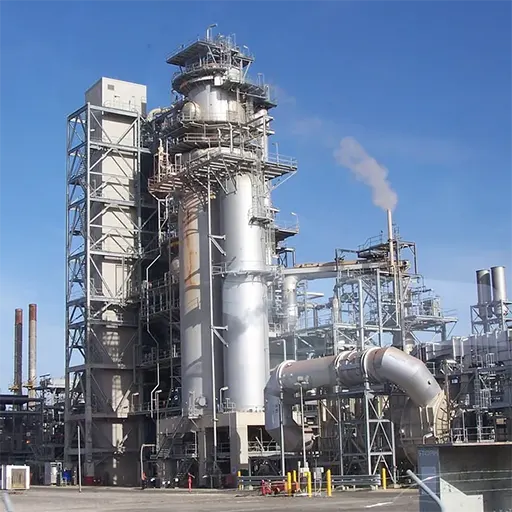
During World War II, the demand for synthetic materials to replace costly and sometimes less efficient products was a catalyst for the development of petrochemicals. Before the 1940s it was an experimental sector, starting with basic materials:
- synthetic rubbers in the 1900s
- bakelite, the first petrochemical-derived plastic in 1907
- the first petrochemical solvents in the 1920s
- and polystyrene in the 1930s…
And it then moved to an incredible variety of areas – from household goods (kitchen appliances, textile, furniture) to medicine (heart pacemakers, transfusion bags), from leisure (running shoes, computers…) to highly specialized fields like archaeology or crime detection.
Found across a vast range of modern products, petrochemicals are part of the fabric of our societies. Clothing, tyres, digital devices, packaging, detergents and countless other everyday items are made from petrochemicals. Petrochemical feedstock accounts for 12% of global oil demand, a share that is expected to increase driven by increasing demand for plastics, fertilisers and other products. Despite its size, the sector continues to take a back seat in the global energy debate. As part of the IEA on-going examination of energy blind spots – major areas of energy demand which fail to attract the level of attention from policy makers that they deserve – The Future of Petrochemicals explores the role of the sector in today’s global energy system and how its significance for global energy security and the environment is set to increase. It also draws a path to an alternative scenario consistent with the UN Sustainable Development Goals, exploring enabling technologies and strategies, and assessing their impact on energy demand.
- Plastic packaging for food and other commercial products can be made from a range of petrochemical products, including polyethylene and polystyrene
- Globally, more than half of ammonia is converted to urea, which is in turn mainly used as a fertiliser used to increase crop yields and boost food production
- Synthetic rubber is a major component of tires for cars, trucks and bicycles, and is mainly derived from the petrochemical butadiene
- Many of the laundry detergents and items of clothing in our washing machines are derived from petrochemicals, such as surfactants and polyester fibre